Kashmir & the Western Himalaya
Grown at altitude.
Sent to you unchanged.
Saffron threads, single-origin chilli, lavender and more — see what we’re growing before you take our word for it.
Scroll
Saffron threads, single-origin chilli, lavender and more — see what we’re growing before you take our word for it.
Shop the range
This is the first set of produce we’re bringing to market — spices, exotics, fruit and dry fruit, sourced direct from Kashmir and the Western Himalaya. Have a look.
Wild-foraged morel mushrooms from the high Himalayan valleys.
Aromatic short-grain rice, native to Kashmir's cold-water paddies.
Wild-foraged dandelion, hand-picked at altitude.
Farm-grown, sun-dried sunflower seeds.
Aromatic herb, grown pesticide-free in the valley.
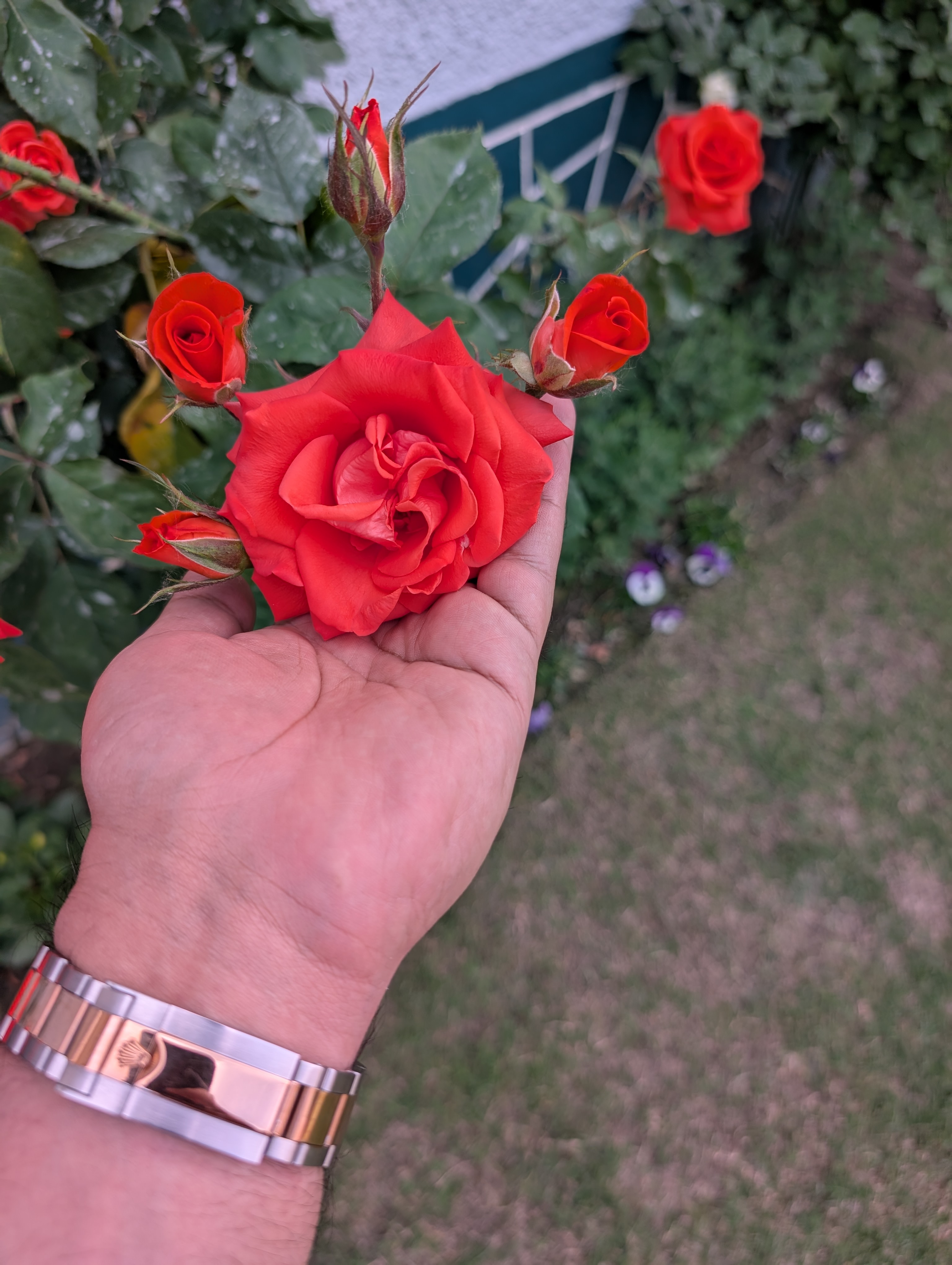
Sun-dried petals from Himalayan roses.
Temperate-altitude orchard apples, hand-picked at peak ripeness.
Kashmiri walnuts, air-dried at source.
Prized Mamra almonds from high-altitude orchards.
Our sourcing promise
Agro Organics was founded on one belief: food in its purest form should travel directly from source to consumer, without dilution, compromise or unnecessary intervention.
Rooted in the untouched terrain of the Himalayas and Kashmir, we work at the source — alongside farmers, harvesters and local communities — so every product stays inherent to its origin, minimally handled, and traceable from farm to final destination.
A single, unbroken route — every stage held to the same standard of restraint.
Saffron corms, morels and stone fruit gathered from mineral-rich soil and glacial water at altitude.
Local growers and harvesters grade each lot by hand — no mechanical processing, no shortcuts.
Only the intervention needed to preserve the product — nothing added to extend or enhance it.
Every batch carries its origin with it, so what arrives is exactly what left the valley.
Flagship crop — 01
Kashmiri Organic Lavender — Lavandula angustifolia, English/French variety
Across the valley, most lavender is intercropped with fruit trees that get sprayed 12–13 times a year. That drift settles into the buds — compromising quality and making the harvest non-organic. We’re one of the only dedicated single-crop producers in Kashmir, so our fields never see a neighboring pesticide cycle.
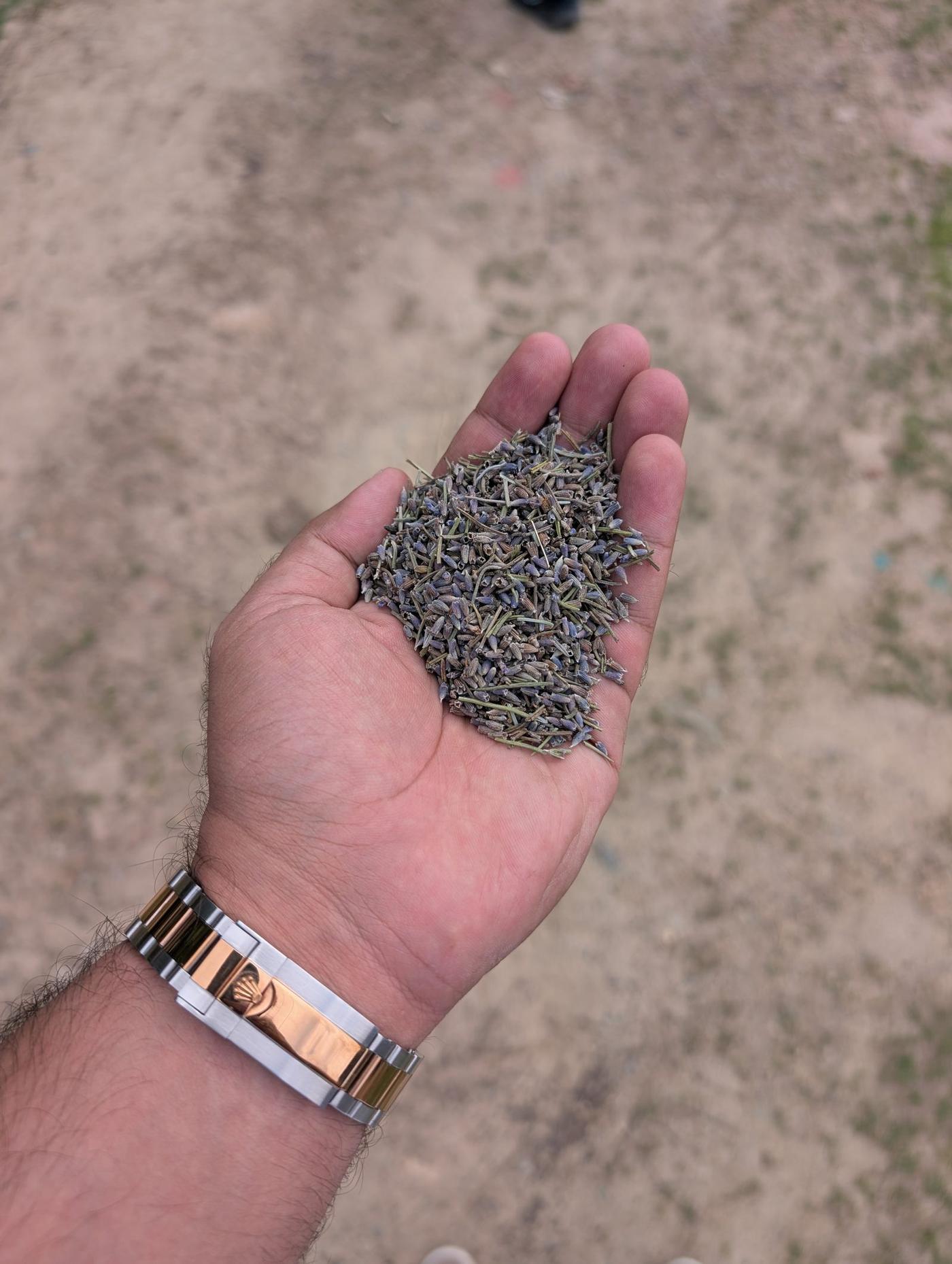
Sun and machine heat bleach lavender from vivid purple to dull grey and boil off the oils that make it worth growing. We shade-dry every harvest slowly, in single-stack piles, to lock in the volatile oils and the natural hue.
Hand-harvested buds, still fragrant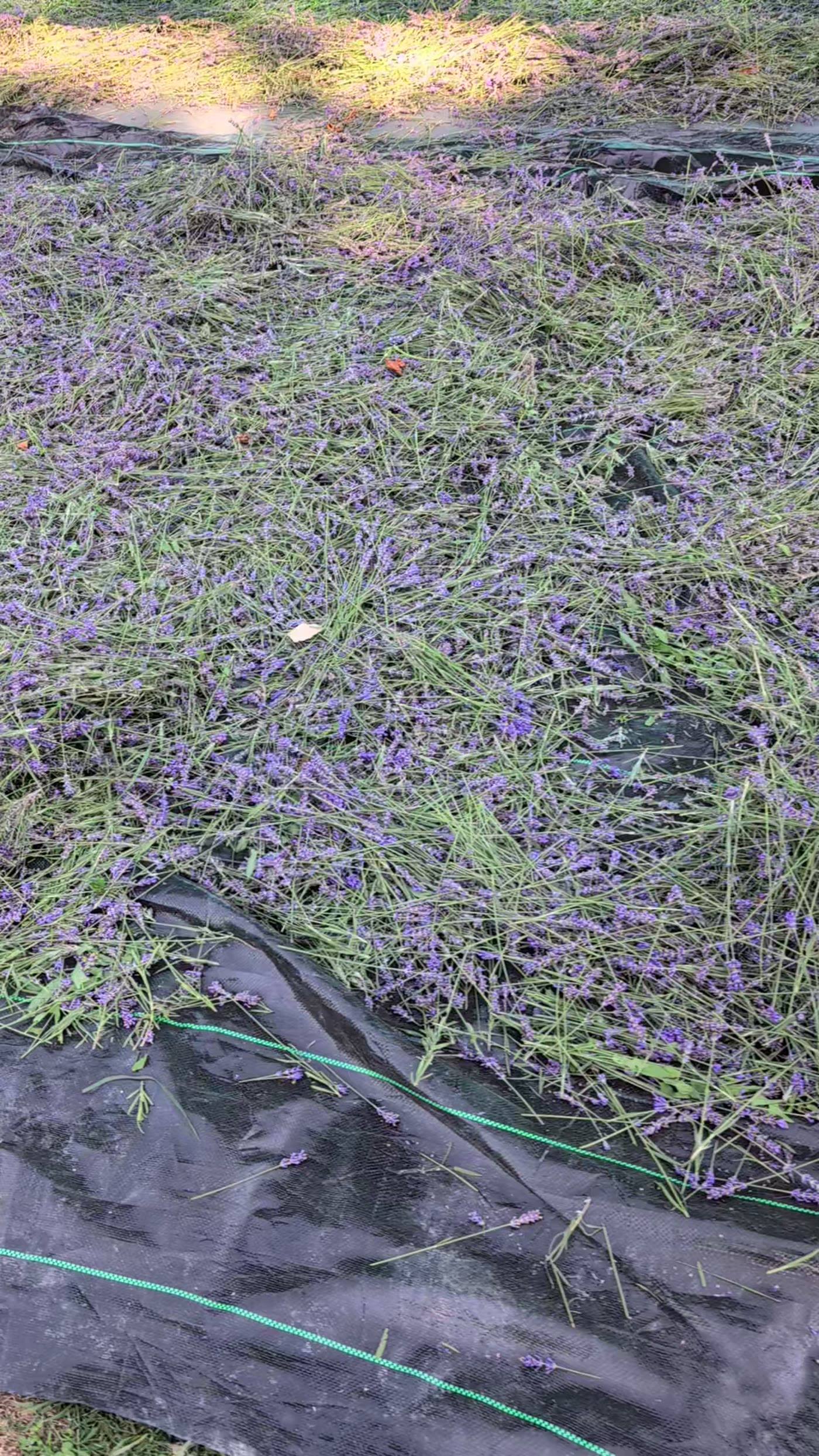 Slow shade-drying — no sun, no machine heat
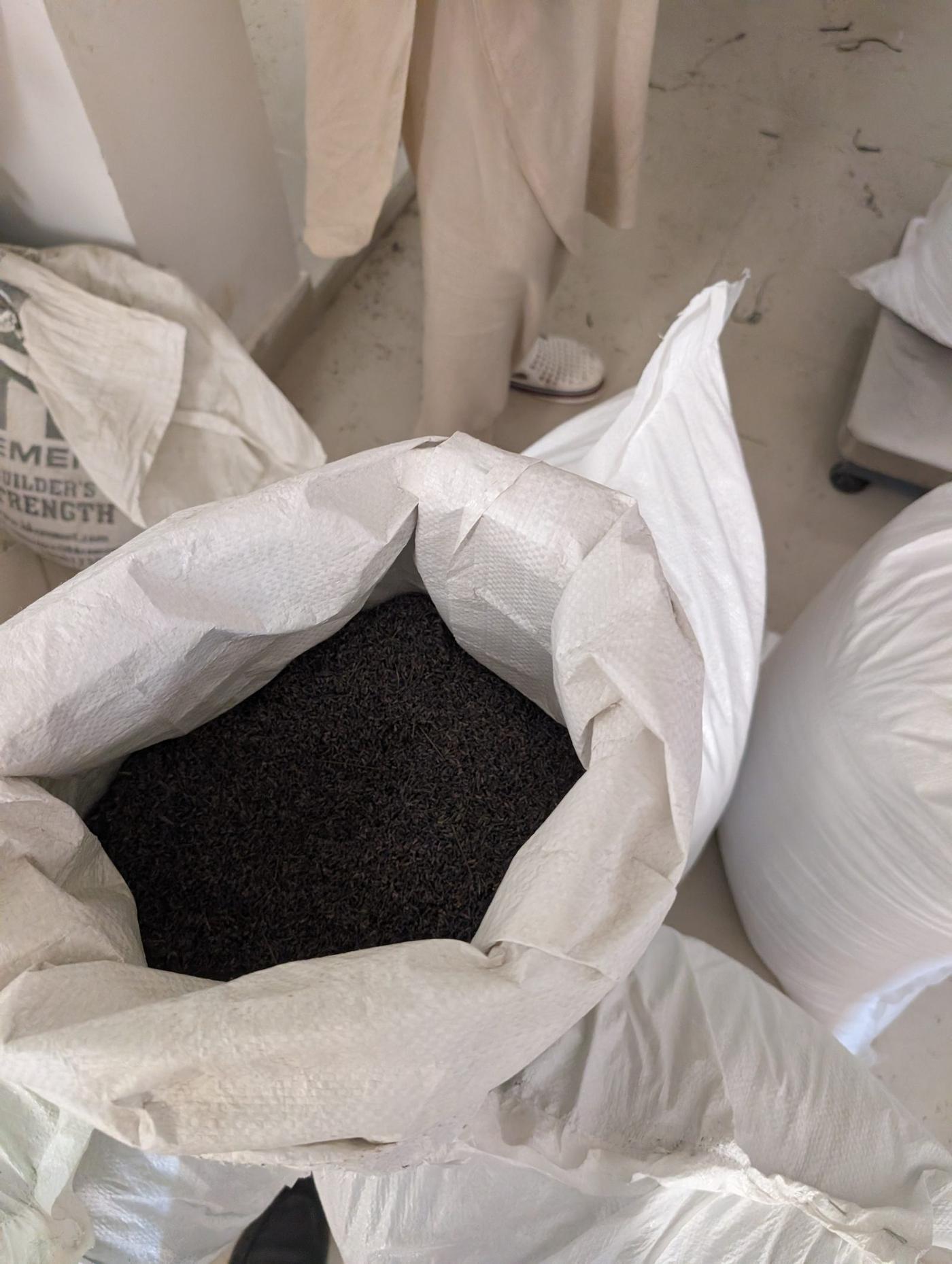 Bulk-weighed for standardized supply
Flagship crop — 02
KL1200 — trademarked, standardized at 1,200 SHU
Kashmiri farmers had lost access to the true native red chilli, and were growing seeds bought in from the Guntur trade instead. We worked with regional agricultural universities to build a seed bank from scratch, selecting for the real native phenotype, then spent years re-introducing it at the grassroots. We’re possibly the only standardized supplier of this variety anywhere.
Most “Kashmiri Mirch” sold today is actually Byadgi or Guntur chilli grown in southern India — sharp, pungent, and with no tie to Kashmir at all. KL1200 is mild, earthy and fruity instead, with a much higher natural capsanthin content, which is what gives it that deep, vibrant red without the heat.
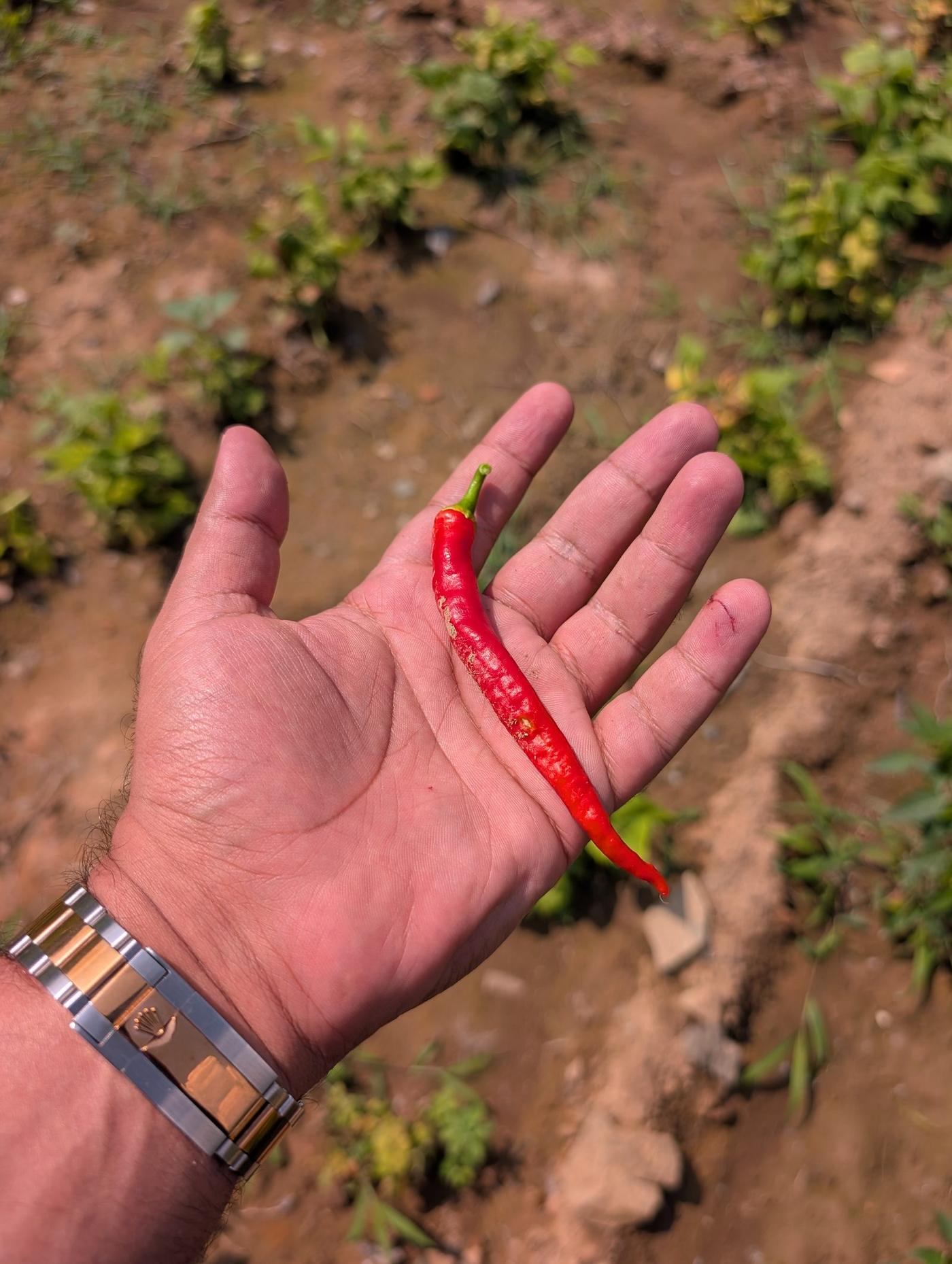
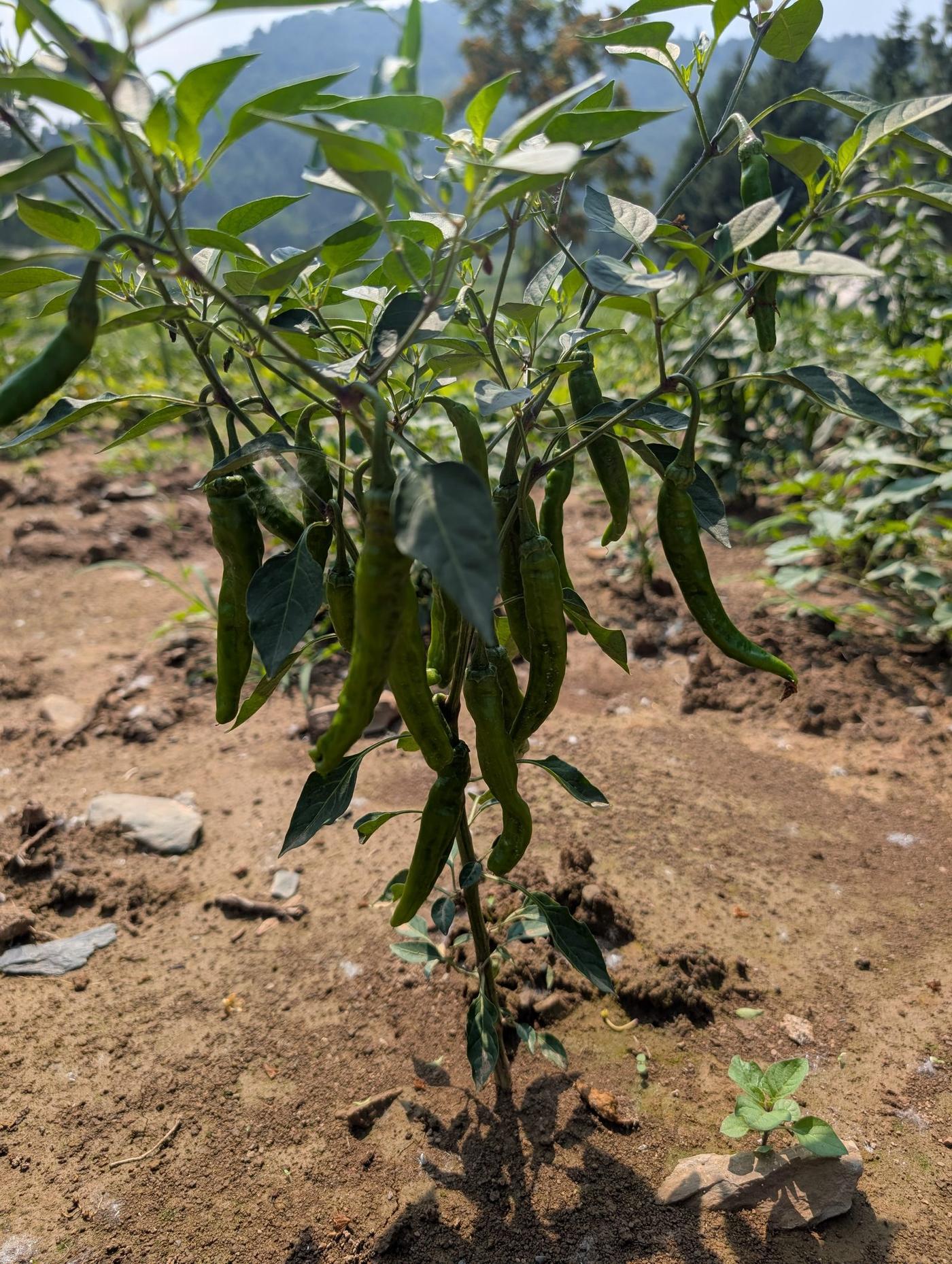 KL1200 in the field, before the color turns
Mild by design
Heat is measured in Scoville Heat Units (SHU). KL1200 is standardized far below both commercial chilli and even other genuine Kashmiri varieties — deliberately, so the color and flavor lead rather than the burn.
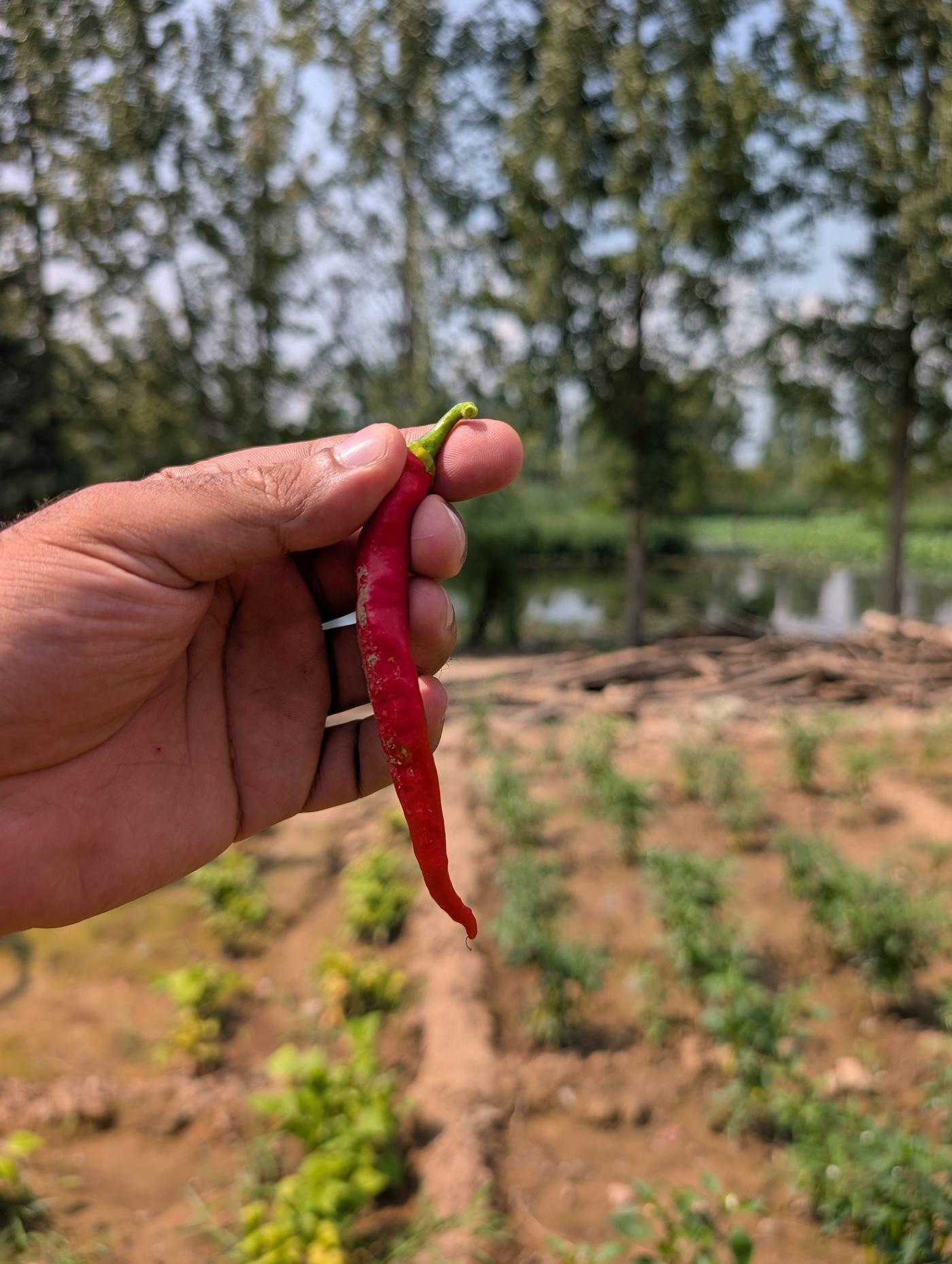 Full ripeness, deep capsanthin redThin-walled, quick to dry
Kashmiri Lasun
Also known as Snow Mountain Garlic, or Pahadi Lehsun
In the high-altitude valleys of the Himalayas grows one of nature’s most powerful, ancient superfoods. This rare, single-clove marvel makes its mark as a fine culinary ingredient — and as a potent natural healer.
Unlike everyday commercial garlic, ours packs a concentrated punch — up to seven times more potent in its medicinal properties, from a single clove.
A distinct, marble-sized single bulb encased in a hard, brownish shell — the hallmark of true, authentic Snow Mountain Garlic.
Renowned for targeted relief — a natural aid for managing hypertension, improving insulin sensitivity, and easing persistent respiratory issues like asthma and colds.
The exotic, explained
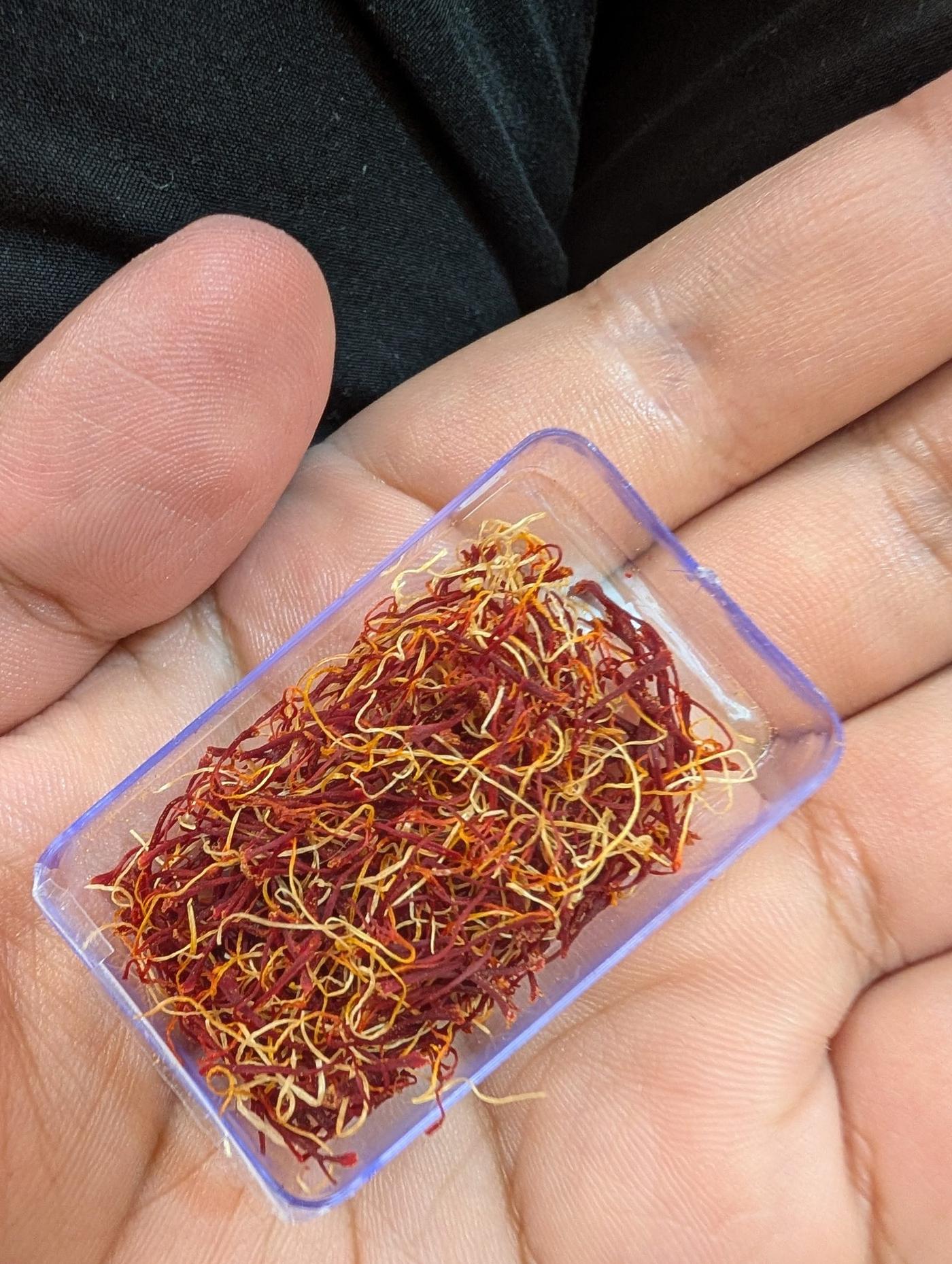
Our Kashmiri saffron is GI-tagged and graded on the same three measures gemologists use for colour, aroma and taste — Crocin, Safranal and Picrocrocin — before it ever leaves the valley. Even high-grade Iranian saffron can qualify as Grade 1. Ours scores higher than the standard requires.
Hand-graded strands, PamporeThis is a real ISO 3632-1:2011 lab result from a G.I.-tagged batch of ours, tested against the Grade 1 threshold.
We work directly with farmers and harvesters at the source — technical support, minimum support price, and buy-backs, so the standardized crop that leaves the valley is worth protecting on both ends of the chain.
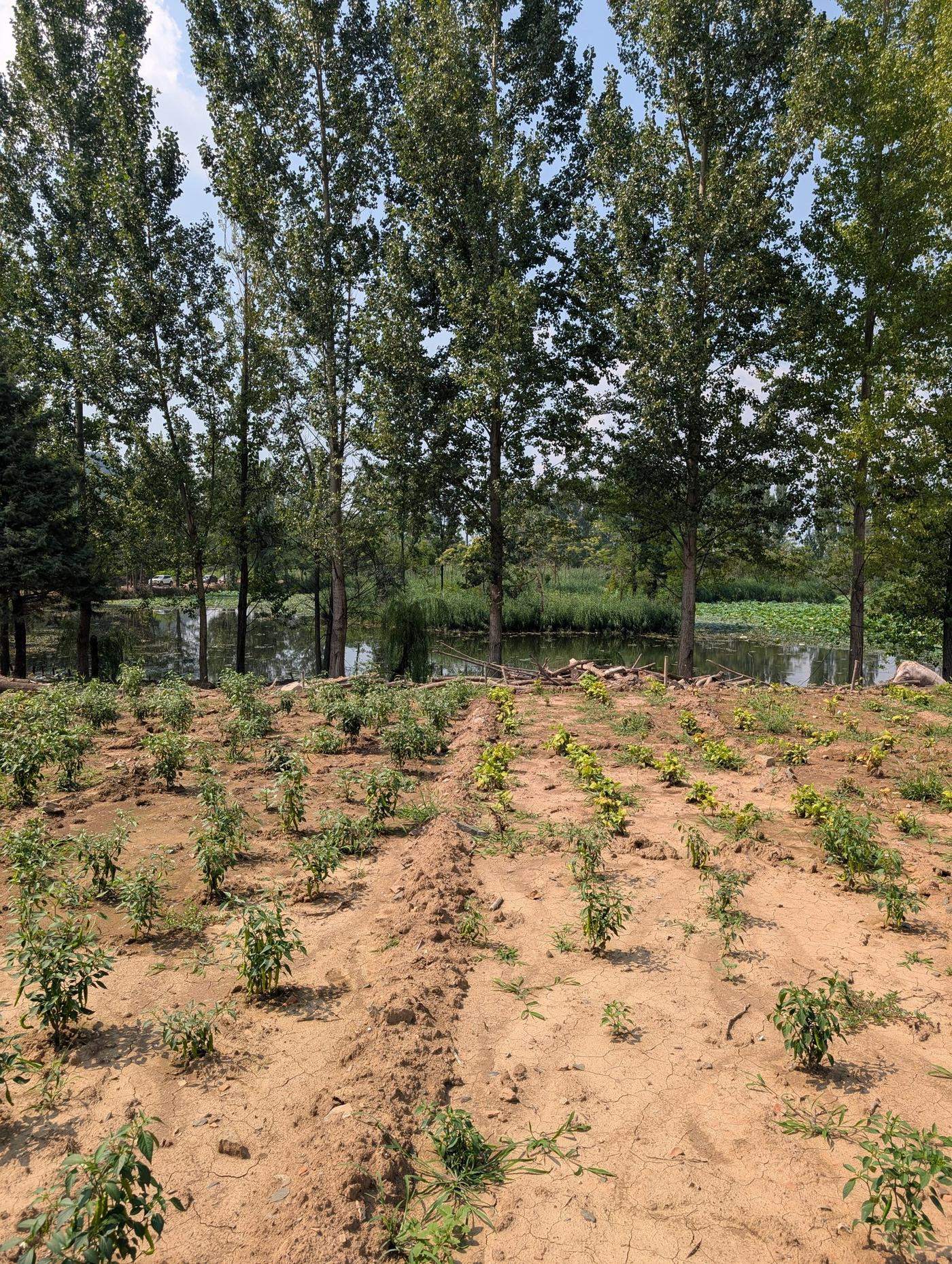 Orchard rows, Kashmir valley
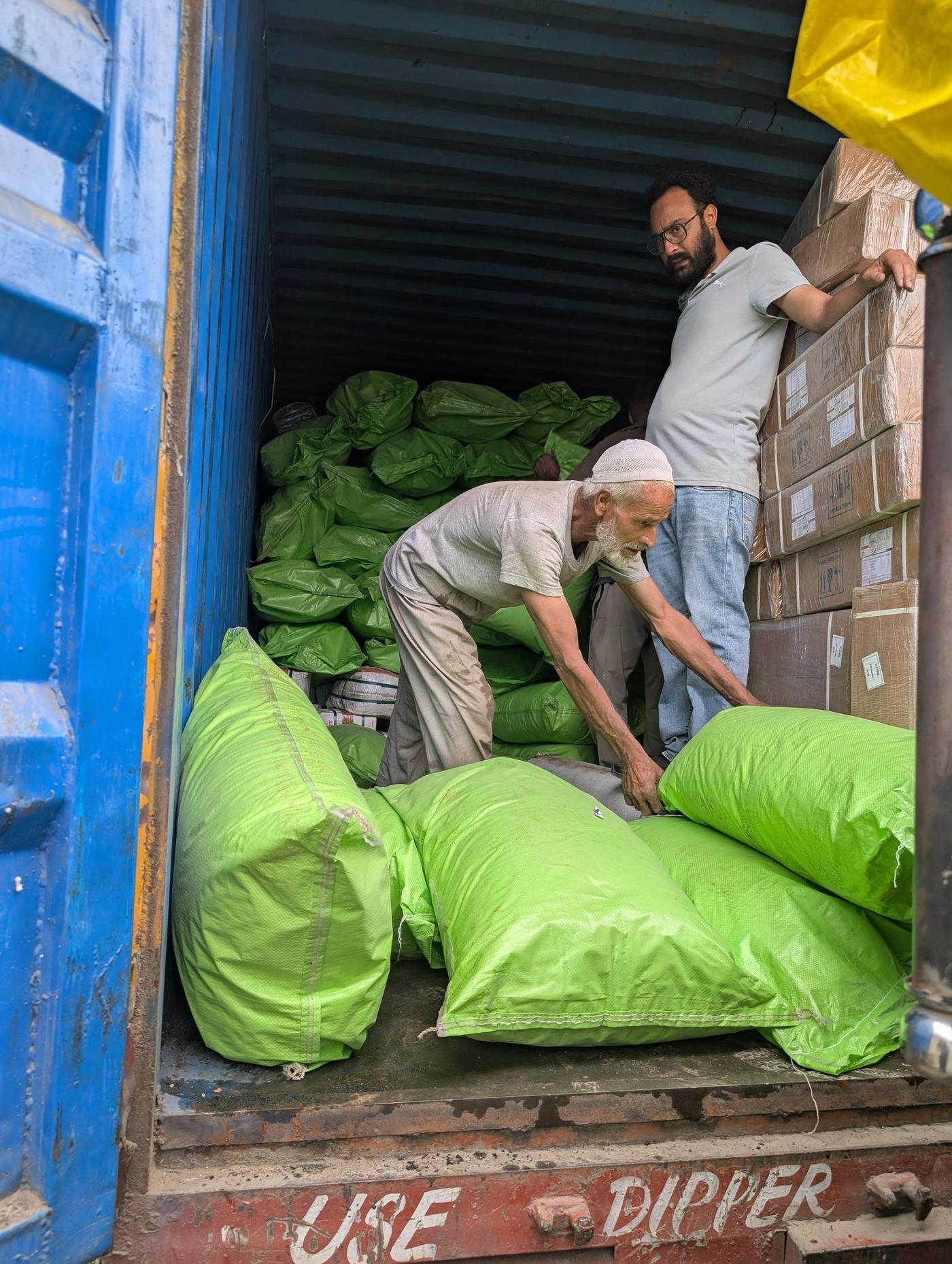 Loaded for dispatch — farm to bazaar
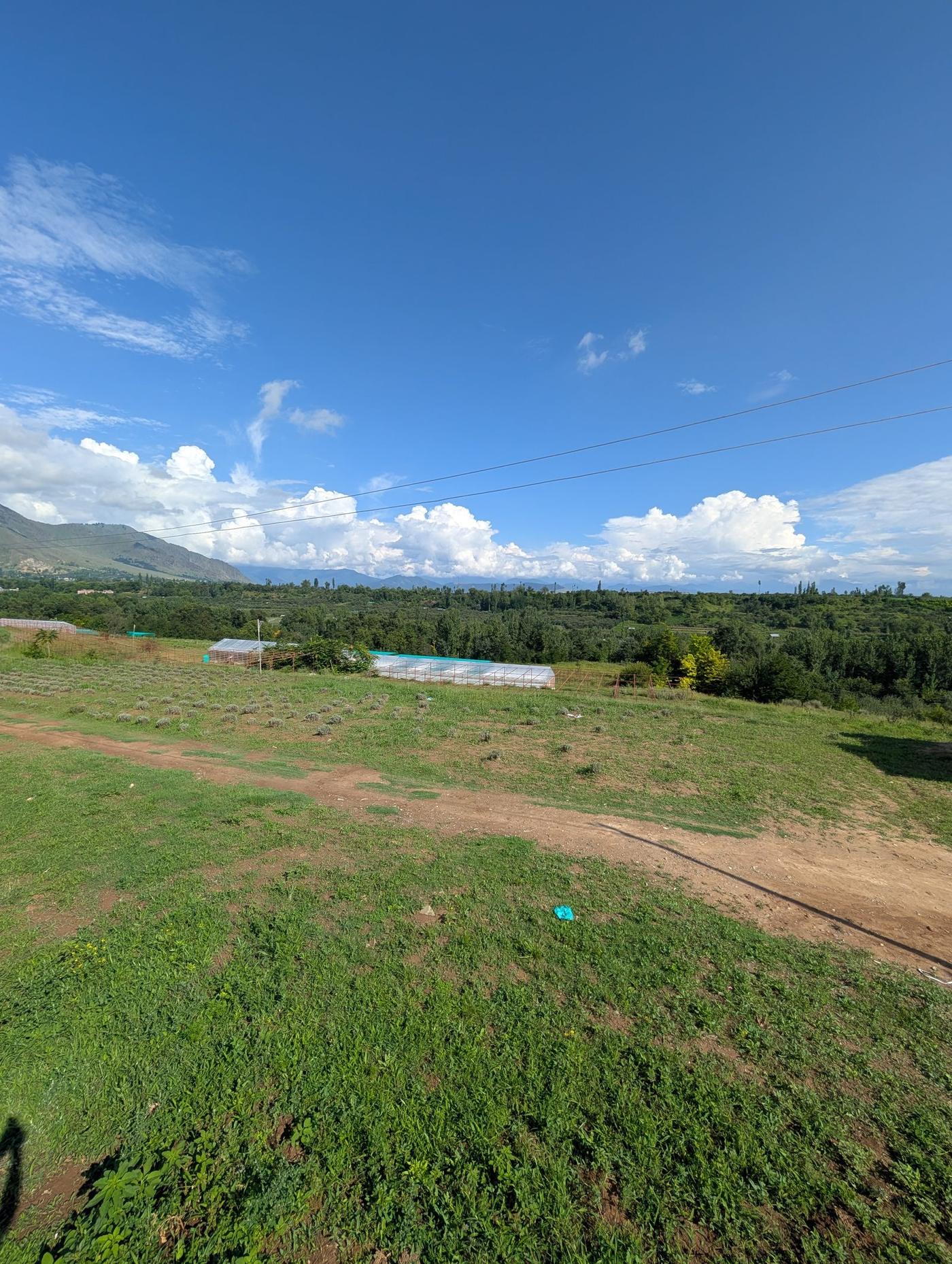 Open field, harvest season
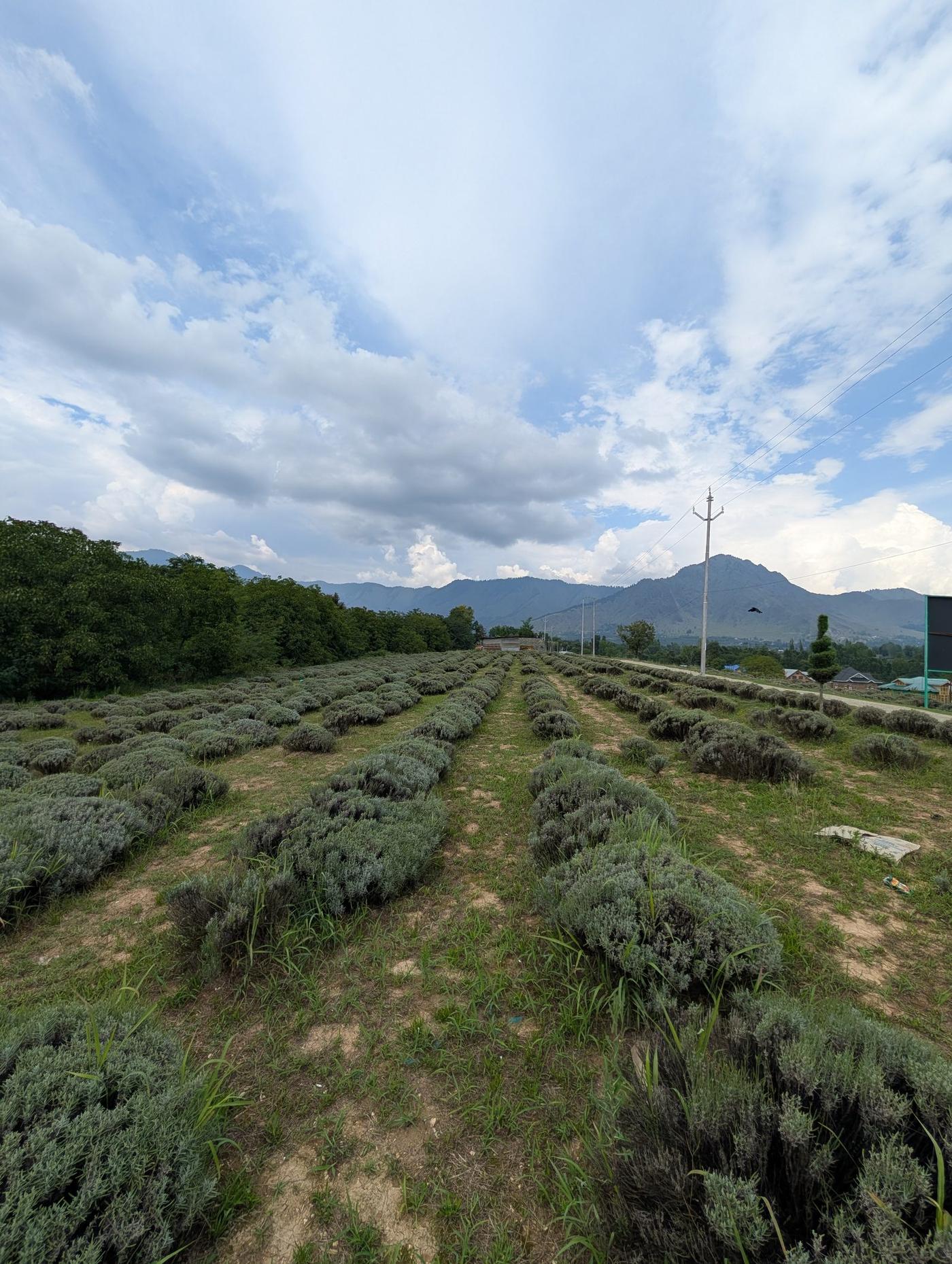 Single-crop lavender rows
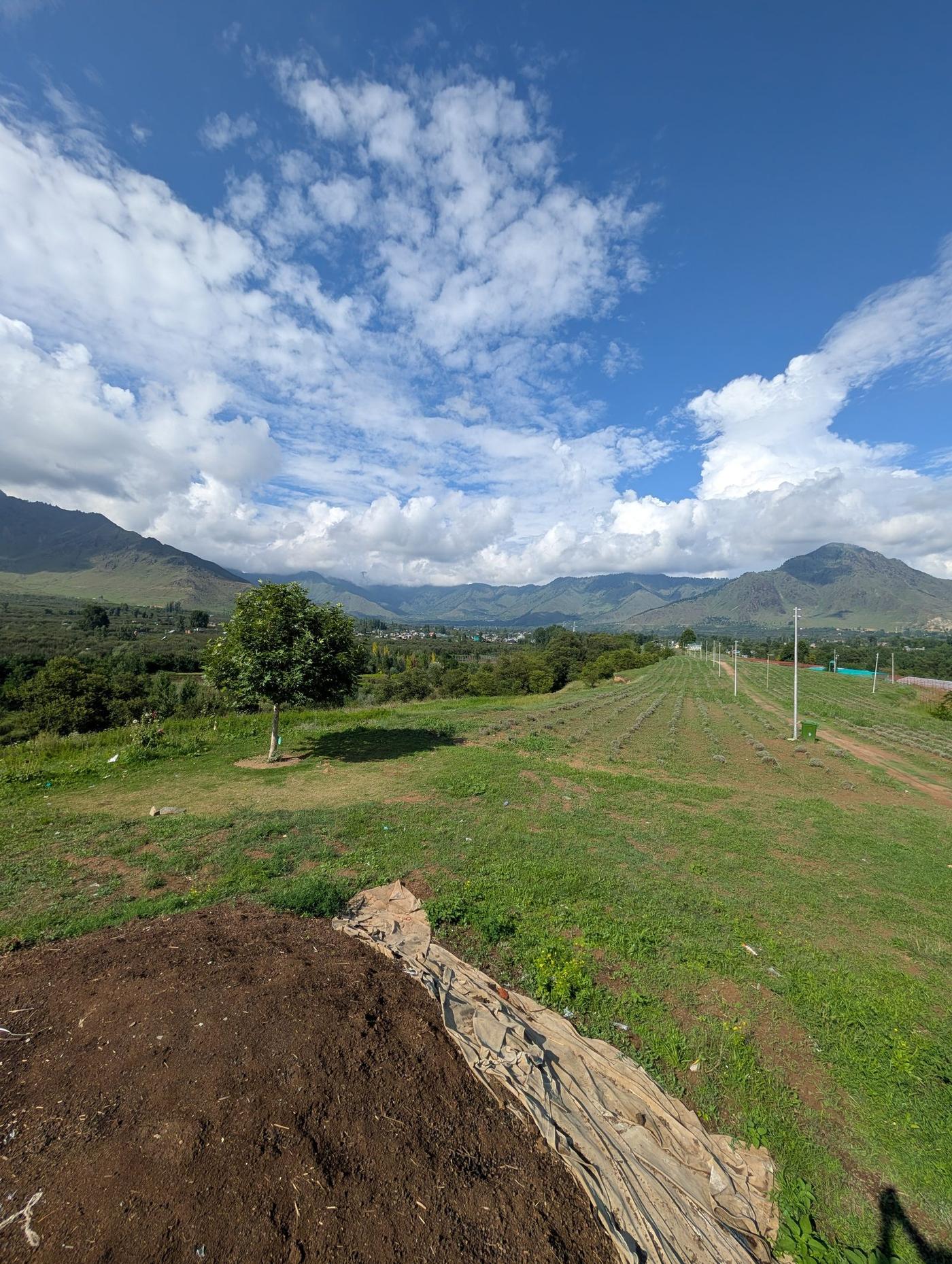 Cultivated valley land
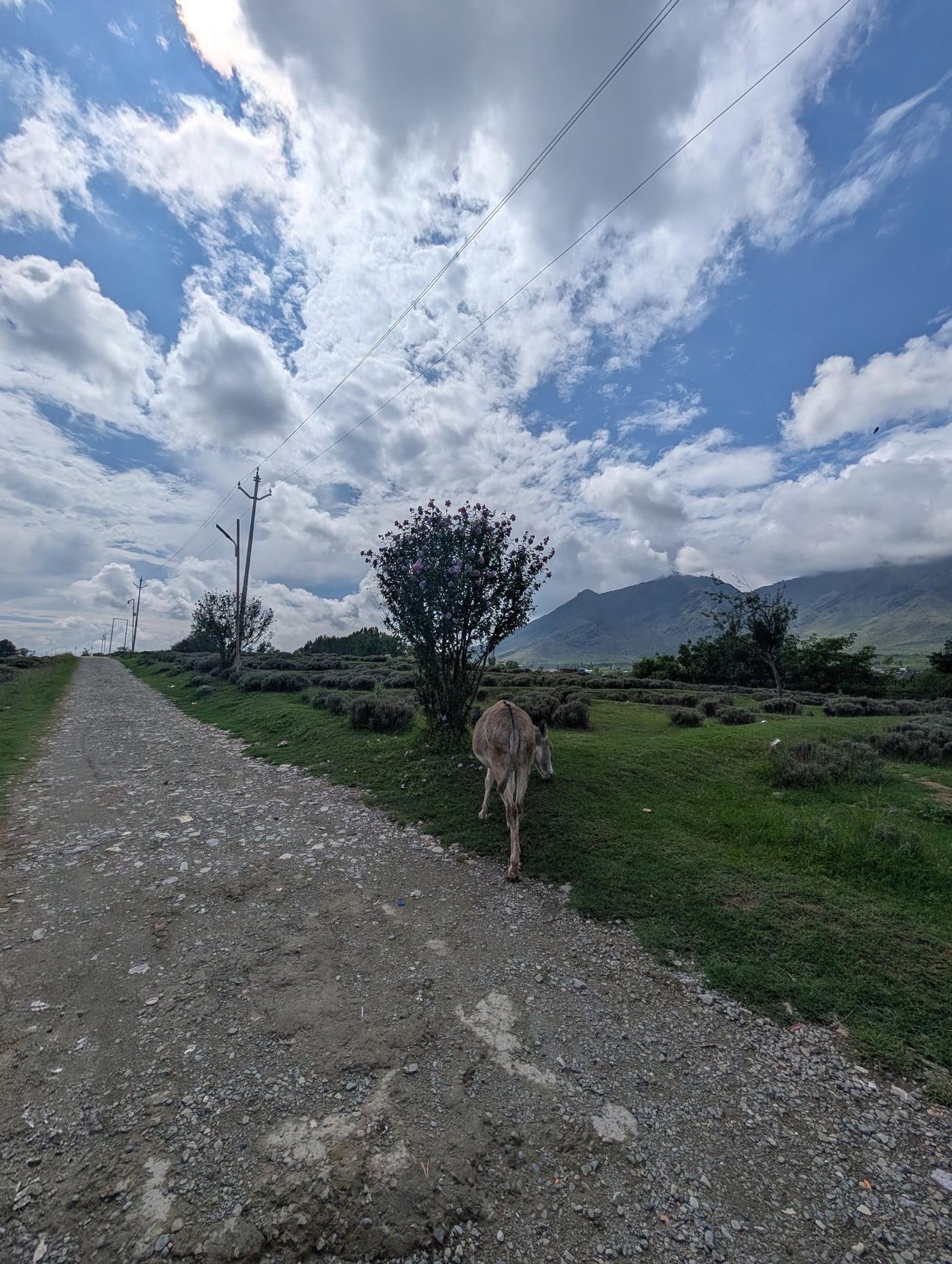 The road in
From the source
We no longer sell to the middle market. Every apple that leaves here already knows where it's going.Orchard cooperative — Sopore, Kashmir
Gucchi season lasts six weeks. We forage what the forest gives and nothing more.Forest harvester collective — Gurez Valley
Grading saffron by hand takes patience most buyers never see. Here, it's the whole point.Saffron growers' guild — Pampore
Ready when you are
Every collection ships with the batch’s origin, harvest window and handling notes attached.